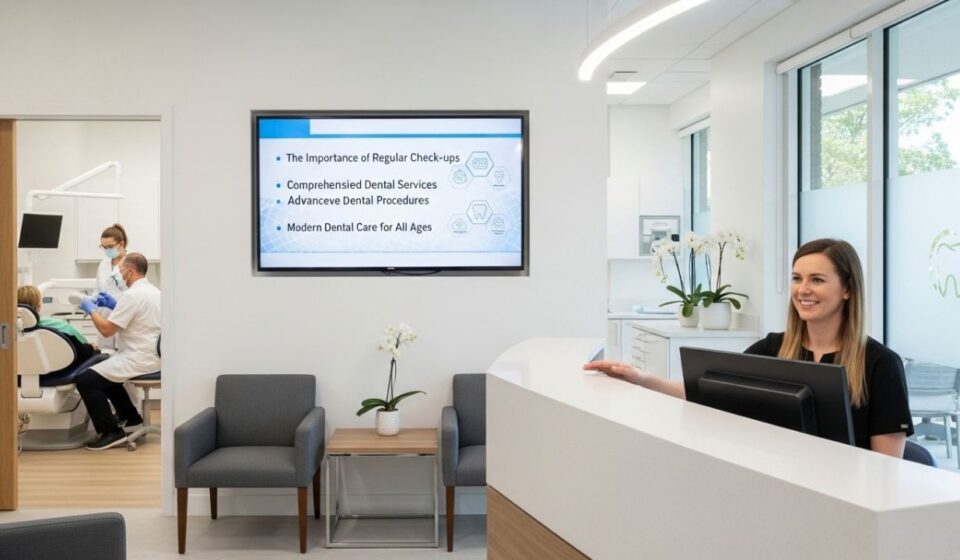
Dental Practice refers to the professional healthcare service focused on the diagnosis, prevention, and treatment of conditions related to teeth, gums, and the entire oral cavity. It plays a vital role in maintaining oral hygiene, improving appearance, and supporting overall health. A well-established Dental Practice not only treats dental diseases but also educates patients about proper oral care habits.
Good oral health is closely linked with general health, as problems in the mouth can affect digestion, speech, confidence, and even heart health. Modern Dental Practice has evolved significantly with advanced technologies, making treatments more comfortable, precise, and effective than ever before.
What is Dental Practice?
Dental Practice is a branch of healthcare that deals with oral health maintenance and dental disease management. It includes a wide range of services provided by dentists and dental professionals such as dental hygienists, orthodontists, and oral surgeons.
A Dental Practice typically operates in a clinical setting where patients receive preventive care, restorative treatments, cosmetic procedures, and emergency dental services. The main goal of Dental Practice is to ensure healthy teeth, gums, and oral structures for patients of all ages.
Importance of Dental Practice
Dental Practice is essential for maintaining both oral and overall health. Poor dental hygiene can lead to serious conditions such as cavities, gum disease, and tooth loss. Additionally, untreated oral infections can spread to other parts of the body.
Key reasons why Dental Practice is important include:
1. Preventing Dental Diseases
Regular checkups in Dental Practice help identify problems like cavities and gum infections early.
2. Improving Oral Hygiene
Professional cleaning removes plaque and tartar that cannot be eliminated by brushing alone.
3. Enhancing Appearance
Dental Practice offers cosmetic treatments that improve smiles and boost confidence.
4. Supporting Overall Health
Good oral health reduces the risk of heart disease, diabetes complications, and other systemic issues.
5. Pain Relief and Comfort
Dental Practice helps in treating toothaches, infections, and other painful conditions effectively.
Types of Dental Practice Services
A modern Dental Practice offers a wide range of services to meet different patient needs.
1. Preventive Dental Practice
This includes regular checkups, cleanings, fluoride treatments, and sealants to prevent dental problems.
2. Restorative Dental Practice
Restorative treatments repair damaged teeth and include fillings, crowns, bridges, and dentures.
3. Cosmetic Dental Practice
Focuses on improving the appearance of teeth through whitening, veneers, and smile correction procedures.
4. Orthodontic Dental Practice
Deals with correcting misaligned teeth and jaws using braces and aligners.
5. Surgical Dental Practice
Involves procedures such as tooth extraction, gum surgery, and dental implants.
6. Pediatric Dental Practice
Specialized care for children’s oral health, focusing on early prevention and treatment.
Common Procedures in Dental Practice
Dental Practice includes several routine and advanced procedures depending on patient needs:
1. Dental Cleaning
Removal of plaque and tartar to maintain oral hygiene.
2. Fillings
Used to treat cavities caused by tooth decay.
3. Root Canal Treatment
Removes infected tooth pulp and saves the natural tooth.
4. Tooth Extraction
Removal of severely damaged or decayed teeth.
5. Dental Implants
Artificial tooth roots used to replace missing teeth.
6. Teeth Whitening
Cosmetic procedure to improve tooth color and brightness.
Role of Technology in Dental Practice
Modern Dental Practice has greatly benefited from technological advancements.
1. Digital X-rays
Provide detailed images with less radiation exposure.
2. Laser Dentistry
Used for painless gum treatments and cavity removal.
3. CAD/CAM Technology
Helps design and manufacture dental restorations quickly and accurately.
4. Intraoral Scanners
Create 3D images of the mouth for precise treatment planning.
5. Teledentistry
Allows remote consultation and diagnosis through digital platforms.
Challenges in Dental Practice
Despite advancements, Dental Practice faces several challenges:
- High treatment costs in advanced procedures
- Dental anxiety among patients
- Limited access to dental care in rural areas
- Lack of awareness about oral hygiene
- Shortage of trained dental professionals in some regions
Addressing these challenges is important for improving oral healthcare access worldwide.
How to Maintain Oral Health
Maintaining oral health reduces the need for complex Dental Practice treatments. Simple habits include:
- Brushing teeth twice daily
- Flossing regularly
- Using fluoride toothpaste
- Avoiding excessive sugar intake
- Drinking plenty of water
- Visiting a dentist regularly
These practices help prevent most dental problems and support long-term oral health.
Future of Dental Practice
The future of Dental Practice is moving toward more advanced, painless, and patient-friendly care. Innovations like artificial intelligence, 3D printing, and regenerative dentistry are transforming how treatments are planned and delivered.
Personalized dental care and preventive dentistry will play a major role in reducing oral diseases in the coming years. Teledentistry will also expand access to dental services globally.
Conclusion
Dental Practice is a crucial part of healthcare that focuses on maintaining oral health and treating dental problems. It includes preventive care, restorative treatments, and advanced surgical procedures. With modern technology and improved awareness, Dental Practice continues to evolve, offering safer and more effective solutions for patients. Regular dental visits and proper oral hygiene are essential for maintaining a healthy and confident smile throughout life.