
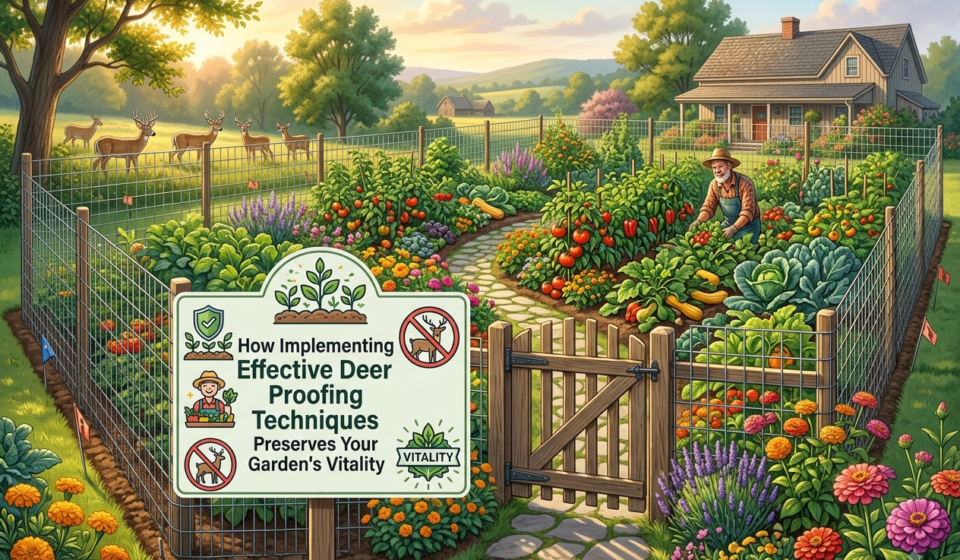
Maintaining a vibrant garden can be a challenging task, particularly when deer are frequent visitors. These graceful creatures can quickly turn a flourishing garden into a barren landscape. To safeguard your plants and preserve the beauty of your outdoor space, implementing effective Deer Proofing techniques is essential. In this article, we’ll explore strategies to protect your garden from deer, including natural barriers, repellents, and long-term sustainability methods. You’ll discover how integrating these solutions can ensure your garden’s vitality year-round.
Effective Deer Proofing Techniques for Thriving Gardens
Understanding the nuances of Deer Proofing is crucial for any gardener looking to maintain a healthy garden. One common approach is incorporating Deer Proofing methods, such as fencing and netting. Landscape architects often recommend these physical barriers because they create an immediate deterrent to deer intrusion. According to the University of Vermont, fences should be at least eight feet tall to effectively prevent deer from jumping over them. Additionally, a well-designed fence can blend seamlessly into your garden’s aesthetic, preserving its visual appeal while offering protection.
Beyond physical barriers, employing strategies like companion planting can deter deer. By selecting plants with strong scents or textures, such as lavender or rosemary, gardeners can create a natural deterrent. Native plant selection is another effective method, as local species are typically less appealing to deer, who prefer non-native plants. Integrating these techniques can reduce the likelihood of deer feasting on your garden.
Natural Barriers: Creating a Shield Against Deer
Natural barriers are an eco-friendly way to protect your garden from deer. Xeriscaping, which involves selecting drought-resistant plants, can also serve as an effective deer deterrent. These plants require less water and maintenance, making them a sustainable choice for any garden. Furthermore, hardscaping elements such as stone walls or raised garden beds can physically block deer from accessing your plants. These structures can be designed to complement your garden’s aesthetics, adding both functionality and beauty.
Mulching techniques are another natural barrier that can help deter deer. Certain mulch types, like gravel or crushed stone, can make walking uncomfortable for deer, prompting them to seek food elsewhere. Mulching also aids in soil amendment, improving the health of your garden while adding a layer of defense against these animals.
Repellents and Deterrents: Keeping Deer at Bay
Repellents and deterrents offer a practical solution for gardeners looking to protect their plants from deer. Integrated Pest Management (IPM) programs often include chemical and natural repellents designed specifically to keep deer away. These products can be applied directly to plants or the surrounding soil, creating an invisible barrier that deer find unappealing.
Another effective method involves conducting an irrigation audit to ensure proper water distribution. Ensuring that plants receive adequate hydration can make them less appealing to deer, who often seek out water-rich vegetation. Soil pH testing is also vital, as maintaining optimal soil conditions can enhance plant health and resilience, making them less susceptible to deer damage.
Long-Term Strategies for Sustaining Garden Vitality
Sustaining your garden’s vitality in the long term requires a strategic approach. Garden bed rotation is a technique that helps maintain soil health and minimizes pest buildup, including deer. By rotating crops and plant types, gardeners can disrupt deer feeding patterns and reduce damage to their plants.
Pruning shear maintenance ensures that your plants remain healthy, as regular pruning promotes growth and robust plant structure. Healthy plants are better equipped to withstand deer intrusion. Additionally, green waste composting is a sustainable practice that enriches soil quality, supporting plant growth and resilience.
For those who seek professional guidance, consulting with an arborist certified in deer-resistant landscaping can provide valuable insights and tailored solutions. Their expertise can offer innovative strategies to enhance your garden’s defenses against deer.
Conclusion
Implementing effective Deer Proofing techniques is vital for preserving your garden’s vitality and ensuring its long-term health. By utilizing natural barriers, repellents, and sustainable practices, gardeners can protect their plants from deer damage. Investing in these strategies not only enhances the aesthetic appeal of your garden but also supports its ecological balance. For gardeners looking to maintain a thriving outdoor space, adopting these deer-proofing methods is a wise decision that pays off in lush, healthy plants year after year.