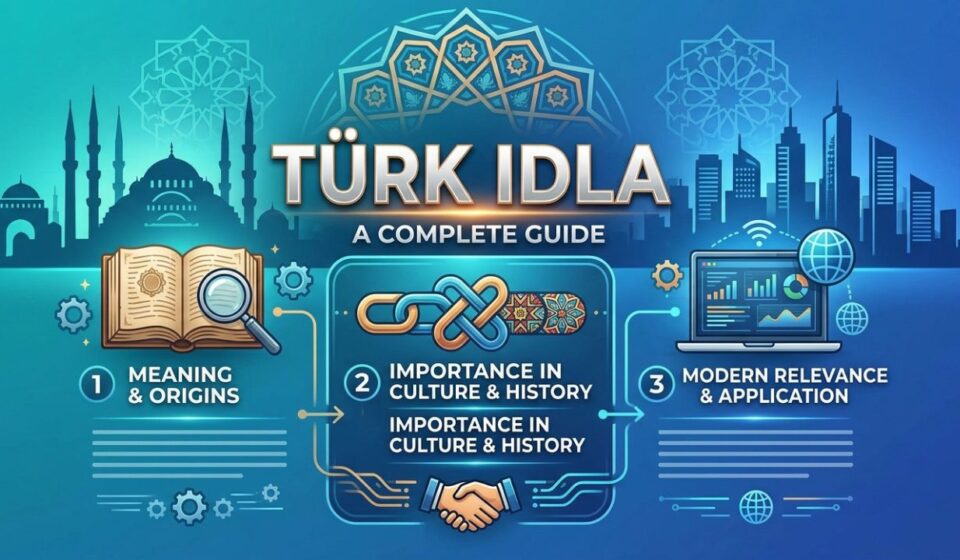
Türk Idla is a term that has recently gained attention among people interested in Turkish culture, language, and historical identity. Although not widely discussed in mainstream media, Türk Idla represents a unique concept connected to cultural heritage, communication, and evolving traditions. In today’s digital age, understanding Türk Idla can help people appreciate the richness of Turkish identity and its influence on modern society.
The growing interest in Türk Idla is linked to the increasing popularity of Turkish culture around the world. From television dramas to historical documentaries and language studies, Turkey has become an important cultural center. As a result, terms like Türk Idla are now being explored by researchers, students, and cultural enthusiasts alike.
The Origin of Türk Idla
The history of Türk Idla can be traced back to early Turkish traditions and linguistic development. Turkish culture has always placed strong emphasis on communication, storytelling, and social unity. Over centuries, various expressions and cultural practices emerged to reflect these values. Türk Idla is often associated with preserving identity while adapting to modern changes.
Historically, Turkish communities relied on oral traditions to pass knowledge from one generation to another. This included poetry, songs, historical narratives, and symbolic language. Such traditions helped shape concepts similar to Türk Idla, where cultural expression became an essential part of daily life.
In many regions, local dialects and traditions contributed to the diversity of Turkish identity. Türk Idla can therefore be viewed as a reflection of cultural continuity and adaptation across different periods of history.
Why Türk Idla Matters Today
In the modern world, cultural identity plays an important role in shaping communities and preserving traditions. Türk Idla has become increasingly relevant because people are searching for ways to reconnect with their roots while participating in global society.
One reason Türk Idla matters is its connection to cultural preservation. As globalization expands, smaller traditions and local expressions often face the risk of disappearing. By studying and promoting Türk Idla, individuals can help preserve important aspects of Turkish heritage.
Another important factor is education. Universities, cultural organizations, and researchers are exploring Turkish language and history more deeply than ever before. Türk Idla serves as an example of how language and culture remain interconnected over time.
Digital media has also contributed to the popularity of Türk Idla. Online communities now share historical discussions, language lessons, and cultural insights that introduce wider audiences to Turkish traditions. This digital exposure has helped increase curiosity and understanding.
Cultural Influence of Türk Idla
The influence of Türk Idla can be seen in several areas of Turkish culture. Literature, music, and social traditions all reflect themes connected to identity, unity, and communication.
Türk Idla in Literature
Turkish literature has long celebrated themes of honor, wisdom, and cultural pride. Writers often use symbolic language and historical references to highlight the importance of heritage. Türk Idla can be interpreted as part of this literary tradition, where storytelling becomes a way to preserve values and identity.
Modern authors continue to explore cultural themes in novels, essays, and poetry. Their work often bridges the gap between historical traditions and contemporary life.
Türk Idla in Music
Music has always played a central role in Turkish society. Traditional folk songs and classical compositions reflect emotional depth and cultural memory. Many musicians incorporate historical themes into their performances, which aligns with the broader ideas associated with Tü rk Idla.
Today, Turkish music blends traditional instruments with modern sounds, creating a unique cultural experience for global audiences.
Türk Idla in Social Traditions
Family values, hospitality, and respect for elders remain important aspects of Turkish culture. These traditions help maintain social harmony and community connections. Tü rk Idla can be connected to these values because it represents continuity between past and present generations.
Festivals, weddings, and community gatherings also reinforce cultural identity and collective memory.
The Role of Language in Türk Idla
Language is one of the most important elements connected to T ürk Idla. Turkish is a rich and expressive language with deep historical roots. Throughout history, language has served as a bridge between generations and communities.
The Turkish language evolved significantly over time, especially during periods of modernization and reform. Despite these changes, many traditional expressions and cultural concepts remain important. Tü rk Idla reflects the idea that language is more than communication; it is also a symbol of identity and belonging.
Learning Turkish allows people to better understand cultural expressions, literature, and historical perspectives. This is one reason why Turkish language courses have become more popular internationally.
Türk Idla and Modern Technology
Technology has transformed the way cultural information is shared. Social media platforms, online videos, and digital archives now make it easier for people to explore Turkish traditions and historical concepts like Tü rk Idla.
Content creators frequently produce educational material about Turkish culture, attracting viewers from around the world. This digital movement has encouraged cultural exchange and increased appreciation for Turkish heritage.
Virtual communities also allow Turkish people living abroad to stay connected with their roots. Through online discussions and cultural events, they continue to celebrate traditions associated with Tür k Idla.
In addition, modern technology helps preserve historical documents, music, and literature for future generations. Digital preservation ensures that cultural knowledge remains accessible and relevant.
Challenges Facing Cultural Preservation
Despite growing interest, cultural preservation still faces several challenges. Global trends often prioritize modern entertainment and fast-moving digital content over historical education. As a result, younger generations may lose connection with traditional practices.
Tü rk Idla highlights the importance of balancing modernization with cultural awareness. Preserving traditions does not mean rejecting progress. Instead, it involves finding ways to integrate heritage into contemporary life.
Educational programs, museums, and cultural organizations play a key role in this effort. By promoting cultural understanding, these institutions help protect historical identity while encouraging innovation.
Another challenge is misinformation. Online platforms sometimes spread inaccurate interpretations of historical topics. Reliable research and educational resources are therefore essential when exploring concepts connected to Tü rk Idla.
Future of Türk Idla
The future of Tür k Idla looks promising because interest in Turkish culture continues to grow globally. Tourism, entertainment, and academic research all contribute to greater cultural awareness.
Turkish television series and films have introduced international audiences to historical themes and traditions. This exposure encourages viewers to learn more about Turkish society and language.
Educational initiatives may also strengthen understanding of T ürk Idla in the future. Schools and universities can integrate cultural studies into language and history programs, helping students appreciate the importance of heritage.
Technology will continue to influence cultural preservation as well. Artificial intelligence, digital libraries, and virtual experiences may provide new ways to explore Turkish history and traditions.
Ultimately, Tü rk Idla represents more than a phrase or concept. It symbolizes the ongoing connection between identity, language, and cultural continuity.
Conclusion
Tü rk Idla is an important cultural concept that reflects the richness of Turkish heritage, language, and social identity. Its relevance continues to grow as people around the world develop greater interest in Turkish traditions and history.
From literature and music to language and technology, Tü rk Idla influences many aspects of cultural expression. It serves as a reminder that preserving heritage is essential in an increasingly globalized world.
By learning about Tür k Idla, individuals can gain a deeper appreciation for Turkish culture and its lasting impact on modern society. As education and digital communication continue to expand, the awareness and significance of Tür k Idla are likely to increase even further.
Tags:
Türk Idla
wiluae
Umer Abbasi is a lifestyle writer and culture curator for wiluae, where he uncovers the best in local discovery, modern trends, and city living. With a passion for tracking down hidden gems—from under-the-radar culinary experiences to unique weekend escapes—Umer blends first-hand exploration with sharp, engaging storytelling. He specializes in creating practical, highly curated guides that help readers navigate and elevate their daily lifestyle. When he’s not out reviewing a new hotspot, you can find him diving into digital culture trends or researching analogue media.