
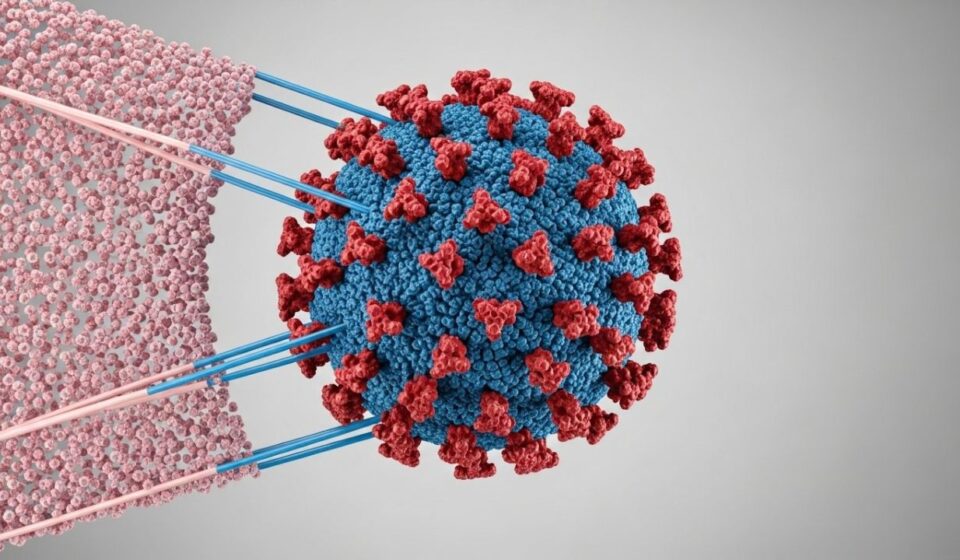
What is a Virus is a fundamental question in biology that helps us understand one of the smallest yet most powerful infectious agents on Earth. A virus is a microscopic entity that can infect living organisms, including humans, animals, plants, and even bacteria. Unlike bacteria, viruses are not considered fully alive because they cannot reproduce or carry out life processes on their own. Instead, they depend entirely on a host cell to multiply and survive.
Understanding what is a Virus is essential because viruses are responsible for many common illnesses such as the flu, cold, COVID-19, and other serious diseases. They spread quickly, mutate frequently, and can sometimes lead to global outbreaks. Despite their harmful effects, viruses also play a role in scientific research and biotechnology. This article explains the structure, types, transmission, effects, and importance of viruses in detail.
1. What is a Virus: Definition and Basic Concept
What is a Virus can be defined as a tiny infectious particle made of genetic material surrounded by a protective protein coat. Some viruses also have an outer lipid envelope. They contain either DNA or RNA, which carries the instructions needed to make new virus particles.
However, viruses cannot reproduce on their own. They must enter a living host cell and take control of its machinery to replicate. Once inside, the virus forces the cell to produce new virus copies, often damaging or destroying the host cell in the process. This is why viruses are known as obligate intracellular parasites.
Viruses exist in almost every environment on Earth, from oceans to soil and even extreme conditions like hot springs and frozen regions.
2. Structure of What is a Virus
The structure of a virus is simple but highly efficient. When studying What is a Virus, its structure includes the following components:
1. Genetic Material
The core of a virus contains either DNA or RNA. This genetic material carries instructions for making new viruses.
2. Capsid
The capsid is a protein coat that protects the genetic material. It is made up of protein subunits called capsomeres.
3. Envelope (in some viruses)
Some viruses have an outer lipid envelope that helps them enter host cells more easily. This envelope is often derived from the host cell membrane.
4. Surface Proteins
These are spikes or projections that help viruses attach to specific host cells. They determine which organisms a virus can infect.
3. Types of What is a Virus
Viruses are classified based on their structure, genetic material, and the type of host they infect.
1. DNA Viruses
These viruses use DNA as their genetic material. Examples include herpesvirus and adenovirus.
2. RNA Viruses
These viruses use RNA as their genetic material. Examples include influenza virus and coronavirus.
3. Retroviruses
Retroviruses, such as HIV, convert their RNA into DNA inside the host cell using an enzyme called reverse transcriptase.
4. Bacteriophages
These are viruses that infect bacteria. They are widely used in genetic research and biotechnology.
5. Plant Viruses
These viruses infect plants and can cause crop damage, affecting agriculture and food supply.
6. Animal and Human Viruses
These infect animals and humans, causing diseases ranging from mild infections to severe illnesses.
4. How What is a Virus Spreads
Understanding What is a Virus also involves knowing how it spreads from one host to another. Viruses can be transmitted in several ways:
1. Airborne Transmission
Viruses spread through droplets released when an infected person coughs or sneezes.
2. Direct Contact
Touching an infected person or contaminated surfaces can transfer viruses.
3. Body Fluids
Some viruses spread through blood, saliva, or other bodily fluids.
4. Food and Water
Contaminated food or water can carry viruses like hepatitis A.
5. Animal Bites
Some viruses are transmitted through bites from infected animals or insects.
5. Life Cycle of What is a Virus
The viral life cycle explains how viruses reproduce inside a host cell:
1. Attachment
The virus attaches to a specific receptor on the host cell.
2. Entry
The virus enters the host cell through fusion or endocytosis.
3. Replication
The viral genetic material takes control of the host cell’s machinery to produce viral components.
4. Assembly
New viral particles are assembled inside the host cell.
5. Release
New viruses are released, often destroying the host cell and infecting other cells.
6. Effects of What is a Virus on the Human Body
Viruses affect the human body in different ways depending on the type of virus and immune response.
1. Mild Infections
Some viruses cause mild illnesses such as the common cold or mild fever.
2. Severe Diseases
Other viruses can cause serious diseases like influenza, hepatitis, or COVID-19.
3. Chronic Infections
Some viruses remain in the body for long periods, such as HIV or herpes.
4. Immune System Impact
Viruses can weaken the immune system, making the body more vulnerable to other infections.
7. Prevention of What is a Virus
Preventing viral infections is crucial for maintaining public health. Key prevention methods include:
1. Vaccination
Vaccines train the immune system to recognize and fight viruses.
2. Hygiene Practices
Washing hands regularly helps reduce viral spread.
3. Mask Usage
Masks reduce transmission of airborne viruses.
4. Safe Food and Water
Proper food handling and clean water prevent infection.
5. Avoiding Contact
Staying away from infected individuals helps reduce risk.
8. Treatment of Viral Infections
Treatment depends on the type of virus and severity of infection.
1. Antiviral Medications
These drugs help slow virus replication.
2. Supportive Care
Rest, hydration, and nutrition help the body recover.
3. Vaccination for Prevention
Vaccines are the most effective way to control viral diseases.
4. Immune Support
A strong immune system helps fight infections naturally.
9. Importance of Studying What is a Virus
Studying What is a Virus is important for medical science, public health, and biotechnology. It helps scientists develop vaccines, antiviral drugs, and diagnostic tools. Understanding viruses also helps prevent pandemics and control outbreaks effectively.
Viruses, despite their harmful nature, are also used in genetic engineering and research to study cells and diseases.
Conclusion
What is a Virus is more than just a definition; it is a key concept in understanding infectious diseases and biological science. Viruses are microscopic agents that depend on living cells to survive and reproduce. They can cause a wide range of diseases but can also be controlled through vaccines, hygiene, and medical treatment. By understanding viruses, humanity can better prepare for and prevent future health threats.