
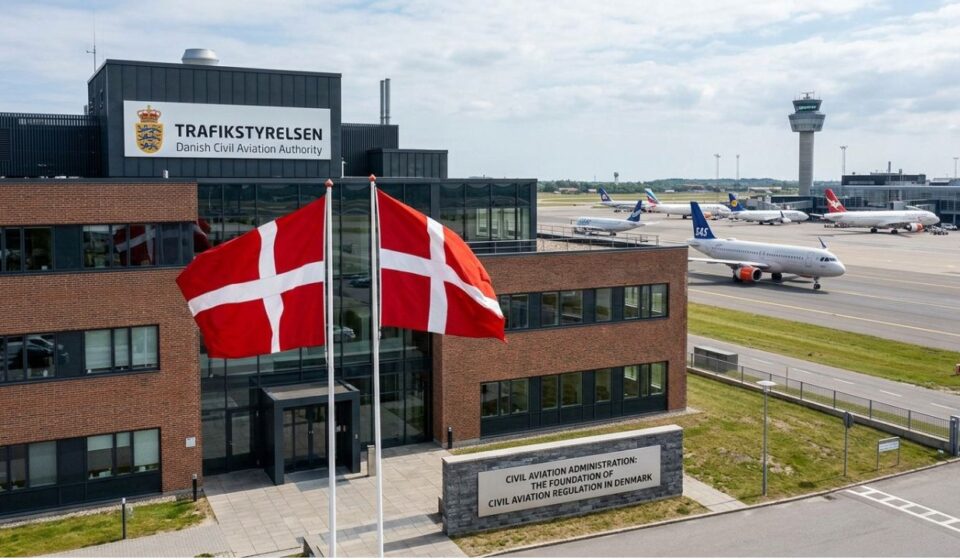
The aviation industry relies on strong regulatory frameworks to ensure safety, efficiency, and reliability. In Denmark, Statens Luftfartsvæsen played a crucial role in shaping and overseeing the country’s civil aviation sector for many years. As the former Danish Civil Aviation Administration, the organization was responsible for maintaining aviation standards, supervising airline operations, and ensuring compliance with national and international regulations.
The legacy of Statens Luftfartsvæsen remains significant in Denmark’s aviation history. Through its commitment to safety, regulation, and modernization, the organization contributed to the development of a reliable aviation system that supported economic growth, tourism, and international connectivity.
What Is Statens Luftfartsvæsen?
Statens Luftfartsvæsen was Denmark’s former civil aviation authority responsible for regulating and supervising civil aviation activities throughout the country. The organization worked to ensure that airlines, airports, pilots, and aviation service providers complied with established safety and operational standards.
Its responsibilities extended across many aspects of aviation, including licensing, certification, inspections, and policy implementation. By maintaining oversight of aviation operations, Statens Luftfartsvæsen helped create a safe environment for passengers and aviation professionals alike.
The authority also served as a bridge between Danish aviation and international aviation organizations, helping align national regulations with global standards.
The Historical Development of Statens Luftfartsvæsen
The growth of aviation during the twentieth century created a need for specialized government oversight. As air travel became increasingly important for transportation and commerce, Denmark established regulatory systems to manage the expanding aviation industry.
Statens Luftfartsvæsen emerged as the institution responsible for overseeing this development. Its mission was to ensure that civil aviation operations met strict safety requirements while supporting the growth of the industry.
Over time, the organization adapted to technological advancements, increasing passenger traffic, and evolving international regulations. Its work helped Denmark maintain a modern and efficient aviation sector capable of meeting changing demands.
Core Responsibilities of Statens Luftfartsvæsen
Aviation Safety Oversight
One of the primary functions of Statens Luftfartsvæsen was ensuring aviation safety. The organization developed and enforced regulations designed to reduce risks and maintain high operational standards.
Safety oversight included:
- Conducting inspections
- Monitoring airline operations
- Reviewing maintenance procedures
- Evaluating safety systems
- Investigating operational concerns
These activities contributed to safer air travel throughout Denmark.
Aircraft Certification
Aircraft operating within Danish airspace needed to meet specific technical and safety requirements. Statens Luftfartsvæsen was responsible for certifying aircraft and verifying their airworthiness.
This process involved detailed assessments of aircraft systems, maintenance records, and operational capabilities. Certification ensured that aircraft met established standards before entering service.
Pilot Licensing
Pilots play a critical role in aviation safety. Statens Luftfartsvæsen managed licensing procedures to ensure that pilots possessed the necessary qualifications and skills.
Licensing requirements typically included:
- Flight training
- Practical examinations
- Medical evaluations
- Knowledge assessments
- Continuing certification standards
These measures helped maintain a highly skilled aviation workforce.
Airport Supervision
Airports are essential components of national transportation infrastructure. Statens Luftfartsvæsen monitored airport operations to ensure compliance with safety and operational regulations.
The organization reviewed airport facilities, emergency preparedness plans, security procedures, and air traffic management systems.
The Importance of Statens Luftfartsvæsen in Danish Aviation
Enhancing Passenger Safety
Passenger safety was always a central priority for Statens Luftfartsvæsen. Through regulatory oversight and inspections, the authority worked to reduce risks and maintain public confidence in air travel.
Its efforts helped establish Denmark as a country with strong aviation safety standards.
Supporting Industry Growth
A well-regulated aviation sector encourages investment and innovation. By providing clear regulations and maintaining operational standards, Statens Luftfartsvæsen created an environment that supported industry growth.
Airlines, airports, and aviation service providers benefited from the stability and consistency provided by effective regulation.
Facilitating International Connectivity
International aviation depends on cooperation between countries and regulatory authorities. Statens Luftfartsvæsen worked closely with international organizations to ensure compliance with global aviation standards.
This cooperation helped Danish aviation integrate seamlessly into international air transport networks.
How Statens Luftfartsvæsen Promoted Aviation Safety
Regulatory Enforcement
Effective regulation requires consistent enforcement. Statens Luftfartsvæsen monitored compliance through inspections, audits, and evaluations.
Organizations that failed to meet required standards could be required to implement corrective measures to improve safety and operational performance.
Incident Investigation
When aviation incidents occurred, thorough investigations were conducted to identify contributing factors and prevent future occurrences.
These investigations provided valuable insights that supported ongoing safety improvements throughout the industry.
Risk Management Practices
Modern aviation safety relies heavily on proactive risk management. Statens Luftfartsvæsen encouraged aviation organizations to identify potential hazards and implement preventive strategies.
This approach helped reduce operational risks and strengthen overall safety performance.
The Evolution of Aviation Regulation in Denmark
As aviation became more complex, regulatory systems evolved to address new challenges. Responsibilities once managed by Statens Luftfartsvæsen were eventually integrated into broader governmental and European aviation frameworks.
This transition reflected changing regulatory requirements, increased international cooperation, and the growing influence of European aviation institutions.
Despite these organizational changes, many of the principles established by Statens Luftfartsvæsen continue to guide aviation oversight in Denmark today.
Challenges Faced by Aviation Authorities
Technological Advancements
Aviation technology continues to evolve rapidly. Regulatory authorities must adapt to innovations such as advanced aircraft systems, automation, and digital infrastructure.
Environmental Sustainability
Environmental concerns have become increasingly important in aviation policy. Authorities face the challenge of balancing industry growth with sustainability goals.
Rising Passenger Demand
Increasing passenger numbers place additional demands on airports, airlines, and regulatory systems. Effective oversight remains essential for maintaining safety and efficiency.
Organizations that succeeded Statens Luftfartsvæsen continue working to address these complex issues.
The Lasting Legacy of Statens Luftfartsvæsen
The impact of Statens Luftfartsvæsen extends beyond its operational years. The organization established many of the regulatory foundations that continue to influence Danish aviation today.
Its contributions include:
- Strong safety standards
- Effective certification systems
- Professional pilot licensing processes
- Reliable airport oversight
- International regulatory cooperation
These achievements helped shape a modern aviation sector capable of meeting national and international expectations.
The authority also played a key role in fostering a culture of safety and accountability within the aviation industry, values that remain essential to aviation operations worldwide.
Why Statens Luftfartsvæsen Remains Relevant
Although the organization no longer exists in its original form, interest in St atens Luftfa rtsvæsen continues among aviation professionals, historians, researchers, and policymakers.
Its history offers valuable lessons about regulatory development, aviation safety, and the importance of government oversight in complex transportation systems.
Studying the work of Stat ens Luftfartsvæ sen provides insight into how aviation authorities adapt to technological change while maintaining high safety standards.
Conclusion
State ns Luftfart svæsen played a vital role in the development and regulation of civil aviation in Denmark. Through its responsibilities in safety oversight, aircraft certification, pilot licensing, and airport supervision, the organization helped establish a secure and efficient aviation environment.
Its legacy continues to influence modern aviation regulation, demonstrating the importance of effective oversight and international cooperation. As aviation evolves to meet new challenges and opportunities, the contributions of St atens Luftf artsvæsen remain an important chapter in Denmark’s aviation history and a foundation for future progress.