
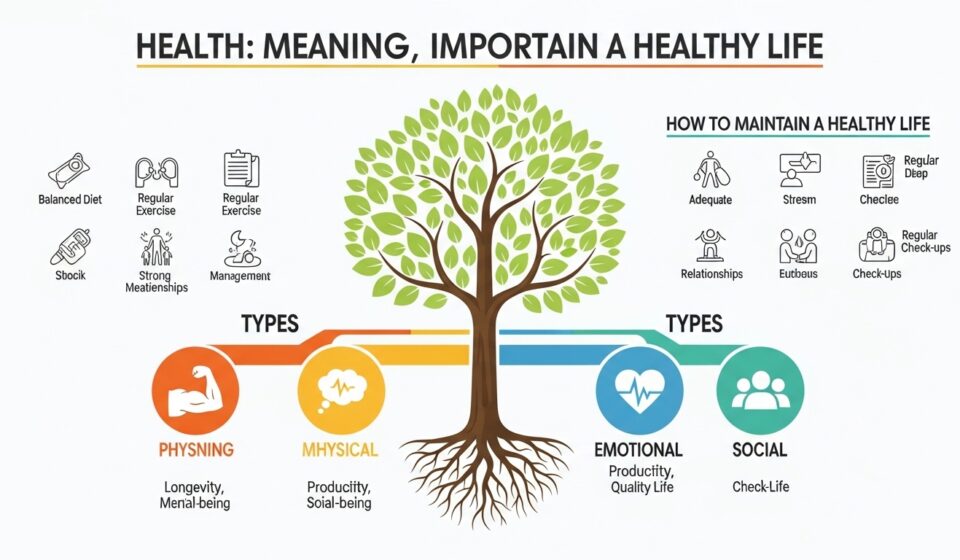
Health is one of the most important aspects of human life because it determines how well a person can live, work, and enjoy daily activities. In simple terms, health refers to a state of complete physical, mental, and social well-being and not merely the absence of disease or illness. This definition is widely accepted in modern medicine and highlights that true health is more than just being free from sickness—it includes emotional balance, physical fitness, and social harmony.
Understanding health is essential because it influences every part of life, including productivity, happiness, relationships, and longevity. A healthy person can adapt better to stress, recover faster from illness, and maintain a better quality of life. Today, with changing lifestyles, unhealthy diets, and increasing stress levels, maintaining good health has become more important than ever.
What is Health?
Health is a broad concept that includes multiple dimensions of human well-being. According to medical definitions, health is not only the absence of disease but also the ability of a person to function effectively in daily life. It involves how well the body works, how stable the mind is, and how positively a person interacts with society.
Health can also be understood as a dynamic condition, meaning it changes over time depending on lifestyle, environment, and personal habits. A person may feel healthy one day and unwell the next due to stress, infection, or lifestyle choices. This shows that health is not a fixed state but an ongoing process that requires continuous care.
Types of Health
Health is generally divided into several important categories that together form overall well-being.
1. Physical Health
Physical health refers to the condition of the body and its ability to perform daily functions efficiently. It includes proper nutrition, regular exercise, enough sleep, and good hygiene. A physically healthy person has strong immunity, good energy levels, and lower risk of diseases.
2. Mental Health
Mental health focuses on emotional and psychological well-being. It includes the ability to handle stress, maintain positive thinking, and manage emotions effectively. Good mental health helps individuals make better decisions and maintain stability in life.
3. Social Health
Social health refers to the ability to build and maintain healthy relationships with family, friends, and society. Strong social connections provide emotional support and improve overall happiness and life satisfaction.
4. Emotional Health
Emotional health is closely related to mental health and involves understanding and managing feelings in a balanced way. It helps individuals respond to challenges without becoming overwhelmed.
Importance of Health
Health plays a vital role in every aspect of human existence. Without good health, it becomes difficult to perform even basic daily tasks. Some key reasons why health is important include:
1. Improves Quality of Life
Good health allows individuals to live comfortably, enjoy activities, and remain active throughout life.
2. Increases Productivity
Healthy individuals are more energetic and focused, which improves performance at work or school.
3. Prevents Diseases
Maintaining a healthy lifestyle reduces the risk of chronic diseases such as diabetes, heart disease, and obesity.
4. Enhances Longevity
Good health increases life expectancy and allows people to live longer, more fulfilling lives.
5. Supports Mental Stability
A healthy body supports a healthy mind, reducing stress, anxiety, and depression.
Factors That Affect Health
Many internal and external factors influence overall health:
1. Lifestyle Choices
Diet, exercise, sleep, and habits like smoking or alcohol consumption have a major impact on health.
2. Environment
Clean air, safe water, and a pollution-free environment support better health conditions.
3. Genetics
Some health conditions are inherited and passed through family genes.
4. Healthcare Access
Availability of medical services plays a key role in maintaining and improving health.
5. Stress and Mental Pressure
High stress levels can negatively affect both physical and mental health.
How to Maintain Good Health
Maintaining good health requires consistent effort and healthy habits. Some important practices include:
1. Balanced Diet
Eating fruits, vegetables, whole grains, and protein-rich foods helps the body function properly.
2. Regular Exercise
Physical activity improves heart health, strengthens muscles, and boosts immunity.
3. Proper Sleep
Adequate sleep helps the body recover and supports brain function.
4. Hydration
Drinking enough water is essential for digestion, circulation, and overall health.
5. Stress Management
Practices like meditation, deep breathing, and hobbies help reduce stress levels.
Conclusion
Health is a complete state of physical, mental, and social well-being that goes far beyond the absence of disease. It is a continuous process that depends on lifestyle, environment, and personal choices. Maintaining good health is essential for living a happy, productive, and fulfilling life. By adopting healthy habits and making positive lifestyle changes, individuals can significantly improve their overall well-being and long-term quality of life.