
Pyuria disease refers to a medical condition in which an abnormal number of white blood cells (pus cells) are found in the urine. It is not a standalone disease in most cases, but rather an important clinical sign that indicates inflammation or infection in the urinary tract. The presence of Pyuria disease often suggests that the body is responding to an underlying problem such as urinary tract infection, kidney infection, or other urinary system disorders.
Understanding Pyuria disease is essential because it helps in early detection of urinary tract abnormalities. In many cases, patients may not show obvious symptoms, and the condition is discovered only through routine urine testing. Proper identification and timely treatment of Pyuria disease can prevent complications such as kidney damage or chronic infections.
What is Pyuria Disease?
Pyuria disease is defined as the presence of an excessive number of leukocytes (white blood cells) in the urine. Normally, urine contains very few or no white blood cells. When the urinary tract becomes infected or inflamed, the immune system sends white blood cells to fight the infection, which then appear in urine samples.
Pyuria disease is generally classified into two major types:
1. Infectious Pyuria Disease
This type occurs when bacteria or other microorganisms cause infection in the urinary tract. It is commonly associated with urinary tract infections (UTIs), bladder infections, or kidney infections.
2. Sterile Pyuria Disease
In sterile Pyuria disease, white blood cells are present in urine, but no bacteria are detected in standard urine cultures. This may occur due to tuberculosis, sexually transmitted infections, kidney stones, or autoimmune conditions.
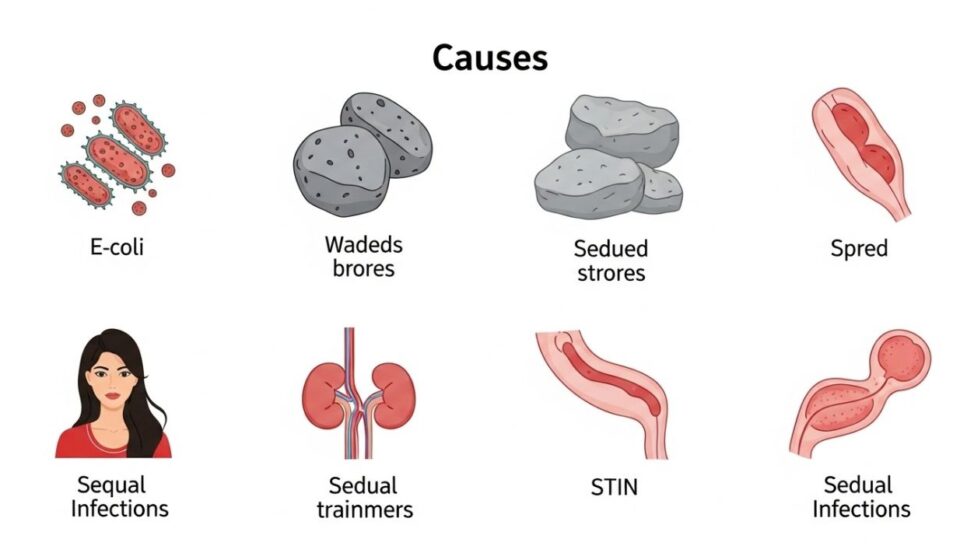
Causes of Pyuria Disease
Pyuria disease can develop due to a variety of medical conditions affecting the urinary system. The most common causes include:
1. Urinary Tract Infection (UTI)
One of the leading causes of Pyuria disease is bacterial infection in the bladder or urethra. This leads to inflammation and an increased number of white blood cells in urine.
2. Kidney Infections
Pyu ria disease can occur when bacteria reach the kidneys, causing a more serious infection known as pyelonephritis.
3. Sexually Transmitted Infections
Certain infections such as chlamydia and gonorrhea can lead to sterile or infectious Pyur ia disease.
4. Kidney Stones
Stones in the urinary tract can irritate tissues and cause inflammation, resulting in P yuria disease.
5. Tuberculosis of the Urinary Tract
Genitourinary tuberculosis is a significant cause of sterile Py uria disease in some regions.
6. Catheter-Related Infections
Long-term use of urinary catheters increases the risk of infection and Py uria disease.
7. Autoimmune and Drug-Induced Causes
Some autoimmune disorders and medications may also trigger sterile Pyu ria disease without bacterial infection.
Symptoms of Pyuria Disease
Pyuri a disease itself is a laboratory finding, but it is often associated with symptoms caused by underlying conditions. Common symptoms include:
1. Urinary Discomfort
Burning sensation or pain during urination is a common sign of Pyu ria disease.
2. Frequent Urination
Patients may feel the need to urinate more often than usual.
3. Cloudy Urine
Urine may appear cloudy due to the presence of white blood cells.
4. Foul-Smelling Urine
Infections associated with Pyur ia disease often cause unpleasant odor in urine.
5. Abdominal or Pelvic Pain
Inflammation in the urinary tract may cause lower abdominal discomfort.
6. Fever and Chills
In severe cases, especially kidney infections, fever and chills may occur.
Diagnosis of Pyuria Disease
Proper diagnosis of Pyuri a disease is essential for identifying the underlying cause and determining treatment.
1. Urinalysis Test
A urine sample is examined under a microscope to detect white blood cells, bacteria, and other abnormalities associated with Pyur ia disease.
2. Urine Culture
This test identifies the specific bacteria causing infection and helps select appropriate antibiotics.
3. Blood Tests
Blood tests are used to check infection severity and kidney function in Py uria disease patients.
4. Imaging Tests
Ultrasound or CT scans may be performed to detect kidney stones or structural abnormalities.
5. STI Screening
If a sexually transmitted infection is suspected, specific tests are conducted.
Treatment of Pyuria Disease
Treatment of Pyur ia disease depends on its underlying cause rather than the condition itself.
1. Antibiotic Therapy
If bacterial infection is present, antibiotics are prescribed to eliminate the infection causing Py uria disease.
2. Anti-inflammatory Medication
These drugs help reduce inflammation and relieve discomfort.
3. Hydration
Drinking plenty of water helps flush out bacteria and reduce symptoms of Pyu ria disease.
4. Treatment of Underlying Conditions
Conditions like kidney stones or tuberculosis require specific medical treatments to resolve Py uria disease.
5. Pain Management
Pain relievers may be recommended to reduce urinary discomfort.
Prevention
Preventing Py uria disease involves maintaining proper urinary tract health and hygiene:
- Drink adequate water daily
- Maintain good personal hygiene
- Avoid holding urine for long periods
- Urinate after sexual activity
- Use safe sexual practices
- Avoid unnecessary catheter use
These preventive steps significantly reduce the risk of developing Pyuria disease.
Complications
If Pyu ria disease is left untreated, it may lead to serious health complications depending on the underlying cause:
- Chronic urinary tract infections
- Kidney infections
- Kidney damage or failure
- Recurrent urinary problems
- Sepsis in severe untreated infections
Early diagnosis and treatment are essential to avoid long-term complications of Py uria disease.
Living with Pyu ria Disease
Most cases of Pyur ia disease can be effectively managed with proper medical care and lifestyle adjustments. Patients are advised to follow prescribed medications, maintain hydration, and attend regular follow-ups. In recurrent cases, identifying and treating the root cause is crucial for long-term recovery.
Awareness and early medical consultation play a key role in preventing complications and ensuring better urinary health.
Conclusion
Pyuria dis ease is an important medical indicator that reflects inflammation or infection in the urinary tract. Although it is not a disease in itself, it signals underlying conditions that require attention. With proper diagnosis, timely treatment, and preventive care, Pyu ria disease can be effectively managed. Understanding its causes, symptoms, and treatment options helps individuals maintain better urinary health and avoid serious complications.