Allergies are one of the most common health conditions affecting people worldwide. An allergy occurs when the immune system reacts abnormally to a substance that is usually harmless to most individuals. These substances are called allergens and may include pollen, dust, food, animal dander, or certain medications.
When someone has allergies, their immune system mistakenly identifies these harmless substances as threats and produces chemicals like histamine to fight them. This reaction leads to symptoms such as sneezing, itching, swelling, rashes, or even severe breathing difficulties in some cases.
Understanding allergies is important because they can affect daily life, productivity, and overall well-being. While some allergies are mild and manageable, others can be life-threatening if not treated properly.
What Are Allergies?
Allergies are immune system hypersensitivity reactions. In simple terms, they occur when the body overreacts to substances that are normally safe. These substances are known as allergens.
When a person is exposed to an allergen for the first time, their immune system may become sensitized. This means it remembers the allergen and prepares to react strongly the next time exposure occurs. During subsequent exposure, the immune system releases histamines and other chemicals that cause allergic symptoms.
Allergies can develop at any age and may sometimes disappear or change over time.
Common Causes of Allergies
Allergies can be triggered by many different substances. The most common causes include:
1. Environmental Allergens
These are found in the air and surroundings:
- Pollen from trees, grass, and flowers
- Dust mites in homes
- Mold spores
- Animal dander from cats, dogs, and other pets
2. Food Allergens
Certain foods can trigger allergic reactions in sensitive individuals:
- Peanuts and tree nuts
- Milk and dairy products
- Eggs
- Wheat and gluten
- Shellfish and fish
3. Medication Allergens
Some people may be allergic to specific drugs:
- Antibiotics like penicillin
- Pain relievers such as aspirin or ibuprofen
4. Insect Allergens
Stings or bites from insects can also cause reactions:
- Bees
- Wasps
- Ants
5. Chemical and Contact Allergens
Some substances cause reactions when they touch the skin:
- Cosmetics
- Latex
- Detergents
- Nickel in jewelry
Types of Allergies
Allergies can be categorized based on the affected system or trigger.
1. Respiratory Allergies
These affect the nose, throat, and lungs. Common examples include hay fever and asthma-related allergies. Symptoms often include sneezing, coughing, and nasal congestion.
2. Skin Allergies
Skin allergies cause visible reactions such as itching, redness, and swelling. Conditions like eczema, hives, and contact dermatitis fall into this category.
3. Food Allergies
Food allergies occur when the immune system reacts to specific foods. Reactions can range from mild discomfort to severe anaphylaxis.
4. Drug Allergies
These occur when the body reacts negatively to certain medications. Symptoms may include rashes, fever, or more severe systemic reactions.
5. Insect Sting Allergies
Some individuals experience severe reactions to insect stings, which may lead to swelling, difficulty breathing, or anaphylactic shock.
Symptoms of Allergies
Allergy symptoms vary depending on the type and severity of the reaction. Common symptoms include:
- Sneezing and runny nose
- Itchy or watery eyes
- Skin rashes or hives
- Swelling of lips, face, or throat
- Coughing or wheezing
- Shortness of breath
- Nausea or vomiting (in food allergies)
In severe cases, allergies can cause anaphylaxis, a life-threatening condition that requires immediate medical attention.
How Allergies Affect the Body
When a person with allergies is exposed to an allergen, the immune system releases chemicals like histamine. Histamine causes inflammation, swelling, and irritation in tissues.
For example:
- In the nose, it causes sneezing and congestion
- In the skin, it leads to itching and rashes
- In the lungs, it may cause breathing difficulties
This reaction is essentially the body’s defense system mistakenly attacking harmless substances.
Diagnosis of Allergies
Doctors diagnose allergi es using different methods:
1. Skin Prick Test
Small amounts of allergens are placed on the skin to check for reactions.
2. Blood Tests
These measure the level of antibodies produced in response to allergens.
3. Elimination Diet
For food all ergies, certain foods are removed from the diet to identify triggers.
4. Medical History
Doctors also analyze symptoms and patient history to identify possible causes.
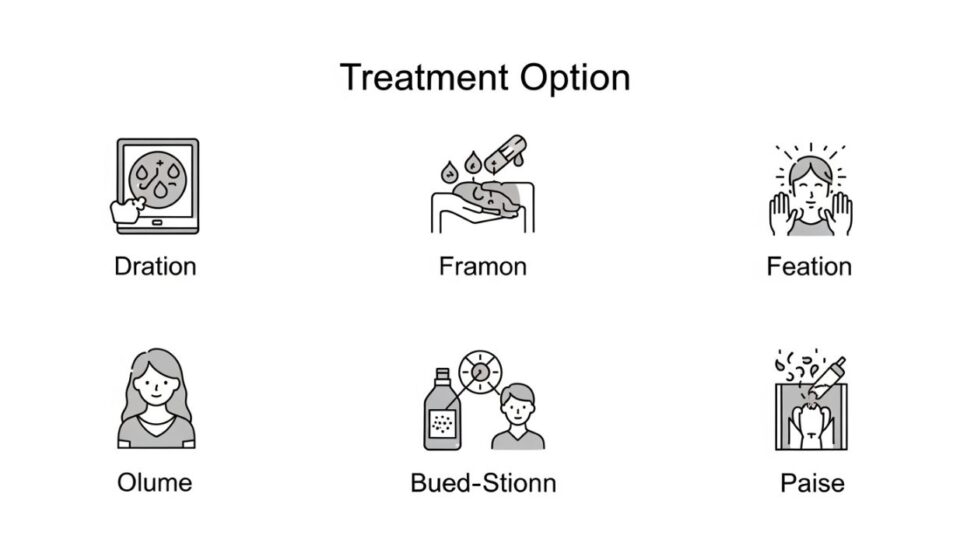
Treatment and Management of Allergies
Although aller gies cannot always be cured, they can be effectively managed.
1. Avoiding Triggers
The most effective way to manage aller gies is to avoid known allergens.
2. Medications
Common allergy treatments include:
- Antihistamines
- Decongestants
- Corticosteroids
- Eye drops or nasal sprays
3. Immunotherapy
This involves gradually exposing the body to small amounts of allergens to build tolerance over time.
4. Emergency Treatment
Severe aller gies may require an epinephrine injection to prevent anaphylaxis.
Preventing Allergic Reactions
While not all aller gies can be prevented, risk can be reduced by:
- Keeping homes clean and dust-free
- Avoiding known food triggers
- Wearing protective clothing outdoors during high pollen seasons
- Reading food and medication labels carefully
- Maintaining good hygiene and skincare routines
Living with Allergies
People with allerg ies can still live normal and healthy lives with proper management. Awareness is key to preventing reactions. Carrying medication, avoiding triggers, and following medical advice can significantly reduce risks.
Modern treatments and better understanding of allergie s have made it easier for individuals to manage their condition effectively.
Conclusion
Aller gies are a common but manageable health condition caused by an overreaction of the immune system to harmless substances. They can affect different parts of the body and vary in severity from mild irritation to serious medical emergencies.
By understanding causes, symptoms, and treatment options, individuals can take control of their health and reduce the impact of allergi es on daily life. Proper care, prevention, and medical support ensure that people with alle rgies can lead safe and comfortable lives.