
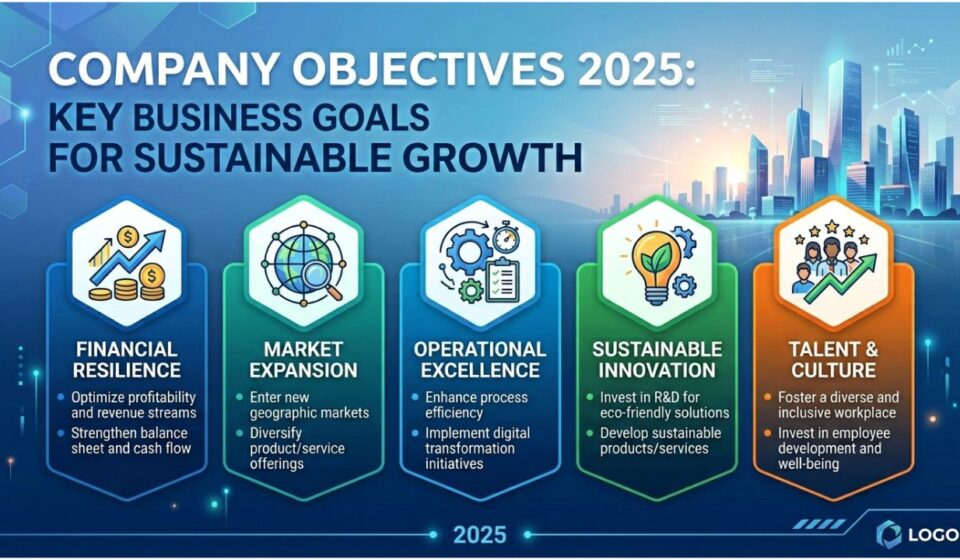
In today’s rapidly changing business environment, defining clear and measurable company objectives has become more important than ever. As organizations prepare for future challenges and opportunities, the focus on Company Objectives 2025 continues to grow across industries worldwide. Businesses are now prioritizing innovation, customer satisfaction, digital transformation, and sustainable growth to remain competitive in modern markets.
The year 2025 represents a significant milestone for companies aiming to improve operational efficiency while adapting to evolving consumer expectations. Organizations that establish strategic goals early are more likely to achieve long-term success and maintain stability in uncertain economic conditions.
Why Company Objectives 2025 Matter
Setting effective business goals helps organizations create direction, improve performance, and align teams toward common targets. Company objectives provide a framework that guides decision-making, resource allocation, and long-term planning.
In 2025, businesses are facing increased competition, technological advancements, and changing customer behaviors. These factors make it essential for companies to establish objectives that are realistic, measurable, and adaptable.
Strong company objectives can help organizations:
- Increase productivity
- Improve employee performance
- Strengthen customer relationships
- Enhance profitability
- Support long-term growth
- Encourage innovation
- Build brand reputation
Companies that clearly define their priorities often perform better than businesses operating without strategic direction.
Digital Transformation as a Core Objective
One of the most important Company Objectives 2025 trends is digital transformation. Businesses across various sectors are investing heavily in technology to improve efficiency and customer experience.
Digital transformation includes:
Automation and Artificial Intelligence
Many companies are adopting automation tools and artificial intelligence solutions to streamline repetitive tasks and reduce operational costs. These technologies improve productivity while allowing employees to focus on higher-value activities.
Cloud-Based Operations
Cloud computing continues to play a major role in business growth. Organizations are shifting toward cloud-based systems for data storage, communication, and collaboration to increase flexibility and security.
Cybersecurity Improvements
As digital operations expand, cybersecurity becomes increasingly important. Companies are prioritizing stronger security measures to protect customer information and business data from cyber threats.
Technology-driven objectives are expected to dominate business strategies throughout 2025 and beyond.
Employee Development and Workplace Culture
Modern businesses understand that employee satisfaction directly impacts company success. For this reason, many Company Objectives 2025 plans include workforce development and workplace culture improvements.
Employee Training Programs
Continuous learning opportunities help employees develop new skills and remain productive in changing industries. Businesses are investing in leadership training, technical education, and professional development programs.
Flexible Work Environments
Remote and hybrid work models have become more common. Companies are creating flexible work arrangements to improve employee well-being and increase retention rates.
Diversity and Inclusion
Organizations are also focusing on diversity, equity, and inclusion initiatives to create healthier workplace environments and encourage innovation through diverse perspectives.
A motivated workforce contributes significantly to overall business growth and operational success.
Customer Experience and Satisfaction Goals
Customer expectations continue to evolve, making customer satisfaction a major focus for businesses in 2025. Companies are working to improve communication, personalization, and service quality.
Personalized Customer Experiences
Businesses are using customer data to create personalized experiences that improve engagement and brand loyalty.
Faster Customer Support
Consumers expect quick responses and efficient support systems. Companies are investing in AI chatbots, support teams, and self-service platforms to meet these demands.
Building Long-Term Relationships
Instead of focusing only on short-term sales, businesses are prioritizing long-term customer relationships through loyalty programs and consistent service quality.
Strong customer relationships often lead to repeat business and positive brand recognition.
Sustainability and Environmental Responsibility
Sustainability has become one of the leading Company Objectives 2025 priorities for businesses worldwide. Consumers increasingly prefer brands that demonstrate environmental responsibility and ethical practices.
Reducing Carbon Footprints
Companies are adopting eco-friendly operations to reduce energy consumption and environmental impact.
Sustainable Products and Packaging
Many organizations are introducing recyclable packaging and environmentally friendly products to support sustainability goals.
Corporate Social Responsibility
Businesses are also participating in community development programs and charitable initiatives to improve social impact and strengthen public trust.
Sustainability is no longer viewed as optional. It is becoming a critical component of long-term business success.
Financial Growth and Profitability
Profitability remains a primary objective for every organization. However, modern businesses are balancing financial growth with sustainability, innovation, and customer satisfaction.
Revenue Expansion
Companies are exploring new markets, launching innovative products, and expanding digital sales channels to increase revenue streams.
Cost Optimization
Reducing unnecessary expenses while maintaining quality remains a major focus in 2025 business strategies.
Investment in Innovation
Businesses are allocating larger budgets toward research and development to remain competitive in evolving markets.
Financial stability allows companies to invest in future growth opportunities while maintaining operational resilience.
Innovation and Competitive Advantage
Innovation continues to shape business success in 2025. Organizations that adapt quickly to market changes often gain a stronger competitive advantage.
Product and Service Innovation
Companies are continuously improving products and services to meet changing customer demands and industry trends.
Market Adaptability
Businesses that respond quickly to economic and technological changes are more likely to survive long-term market challenges.
Data-Driven Decision Making
Modern organizations use analytics and business intelligence tools to make informed strategic decisions and improve performance.
Innovation encourages growth while helping companies remain relevant in competitive industries.
Building Strong Brand Identity
Another major focus within Company Objectives 2025 is brand development. A strong brand identity helps businesses attract customers, build trust, and stand out from competitors.
Social Media Presence
Businesses are investing in social media marketing to connect with audiences and increase brand visibility.
Reputation Management
Online reviews and customer feedback significantly influence purchasing decisions. Companies are prioritizing reputation management strategies to maintain positive public perception.
Consistent Brand Messaging
Clear and consistent communication helps organizations strengthen customer trust and brand loyalty.
A recognizable and respected brand often creates long-term business value.
Future Outlook for Businesses in 2025
As companies continue adapting to changing market conditions, strategic planning remains essential for success. Businesses that focus on innovation, customer experience, sustainability, and employee well-being are more likely to achieve their long-term objectives.
The business landscape in 2025 will continue evolving due to technological advancements, economic changes, and shifting consumer expectations. Organizations must remain flexible and proactive to stay competitive in this dynamic environment.
Companies that establish clear goals and regularly evaluate progress can better navigate challenges while identifying new growth opportunities.
Conclusion
Company Objectives 2025 reflect the growing need for strategic planning, innovation, and adaptability in modern business operations. Organizations are prioritizing digital transformation, employee development, sustainability, customer satisfaction, and financial growth to remain competitive in evolving markets.
Businesses that invest in long-term objectives today will be better prepared for future opportunities and industry challenges. Clear goals not only improve operational performance but also create stronger customer relationships, healthier workplace cultures, and sustainable business growth.
As the corporate world continues changing, companies with strong objectives and forward-thinking strategies will lead the way toward success in 2025 and beyond.