
We live in an era where you can tell your kitchen ceiling to dim the lights, play your favorite podcast, and preheat your oven. Yet, walk into most of these highly connected, ultra-modern smart homes, and you will likely find a dark secret hiding in the laundry room: a filthy, plastic mop bucket.
It is a crazy contradiction. We optimize everything for digital efficiency, but when it comes to the most physically exhausting household chore, we quickly revert to centuries-old analog tools.
If you truly want an efficient house, your goal should be to reduce the physical time cost of floor maintenance to absolute zero. But getting there requires understanding a fundamental truth about floor care: you cannot rely on just one machine. To actually ditch the mop, you have to balance the daily, “set-and-forget” convenience of automation with raw, on-demand physical power.
The 90% Solution: Daily Automated Maintenance
Let’s talk about the math of sweeping. If you spend just 20 minutes a day sweeping up dog hair and spot-cleaning dusty spots in the entryway, you are losing over 120 hours a year. That is three entire work weeks wasted on a task a machine can do perfectly well without you.
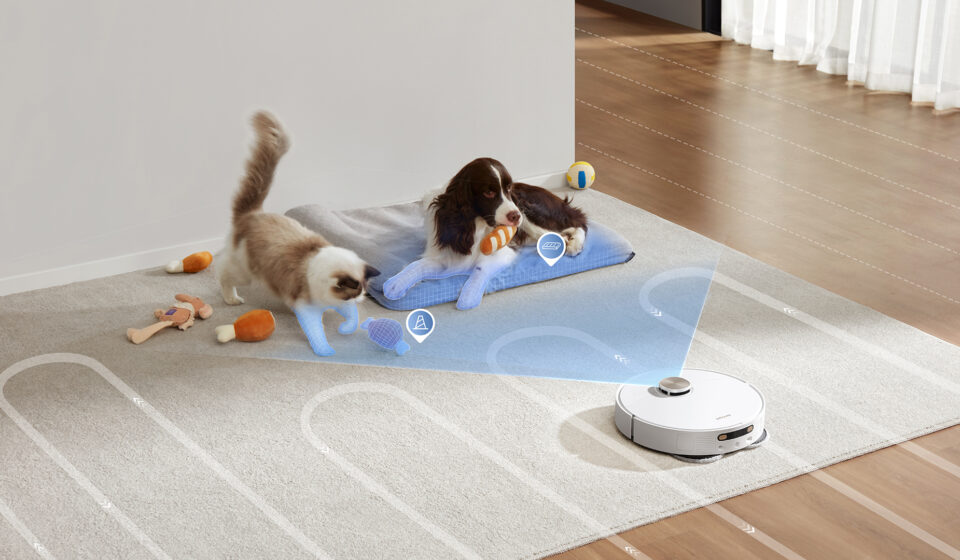
This is where a high-quality vacuum and mop robot comes into play. Modern automated cleaners are no longer just blind, bumping pucks. They are essentially data-gathering, floor-mapping ninjas. They scan your rooms, build digital floor plans, and navigate neatly around your dining chairs without getting stuck.
The Real Benefits of Daily Automation:
- The Baseline Reset: By scheduling it to run at 10:00 AM when the house is empty, it handles the daily, invisible buildup of dust, pollen, and light footprints.
- Zero Human Input: You literally stop thinking about the floors. You come home to a consistently clean house, every single day.
- Active Scrubbing: Modern automated pads don’t just drag a wet cloth around; they apply actual downward pressure and consistent water flow to polish away light surface grime.
Why Robot Vacuums Cannot Handle Heavy Spills
But here is the catch that tech companies do not always advertise: automation has severe physical limits.
An automated cleaner is trapped by its own form factor. To fit under your low-clearance sofa, it has to be incredibly slim. To run for an hour and a half without dying in the middle of the hallway, it has to prioritize battery life over massive suction power. It simply cannot carry a heavy, high-torque motor or gallons of fresh water.
This creates a huge gap in your cleaning strategy. An automated device is a preventative tool, not a disaster recovery team. If you drop a bowl of milk and cereal, or if a pipe leaks under the kitchen sink, sending an automated unit into that mess is a recipe for disaster. It will either avoid the spill completely, or worse, try to sweep it up and smear wet, sticky cereal across your entire living room rug.
The 10% Solution: High-Power Deep Cleaning
To handle the heavy lifting, you need a machine that does not care about battery efficiency or fitting under the TV stand. You need raw, unbridled torque.
This is why a dedicated wet and dry vacuum is the mandatory second half of your smart home ecosystem. If the automated unit is your daily vitamin, this manual machine is the emergency room.
Why You Need a Dedicated Wet/Dry Machine:
- Dual-Tank Purity: It never recycles dirty water. It constantly flushes your floors with fresh water while immediately sucking the muddy liquid into a separate, completely sealed tank.
- Simultaneous Cleanup: It inhales solid debris (like dropped noodles or pet kibble) and wet spills (like shattered wine glasses) at the exact same time. No pre-sweeping required.
- Instant Moisture Extraction: Traditional mopping leaves water sitting on your delicate hardwood or laminate. A wet/dry unit vacuums the water off the floor in milliseconds, leaving it totally dry and preventing expensive water damage.
The 90/10 Floor Care Playbook
To make this system work, you have to divide and conquer. The most efficient households operate on a strict 90/10 split. Here is exactly how to structure your floor care:
| Feature | Automated Sweeper | Manual Wet/Dry Unit |
| Household Role | Daily preventative maintenance | Weekly deep cleans & disaster recovery |
| Best Used For | Dust, pet hair, daily footprints | Spilled food, heavy grease, mud, large liquid spills |
| Your Time Cost | 0 minutes (Fully scheduled) | 5-10 minutes (Active, high-speed cleaning) |
| The Vibe | The slow, steady marathon runner | The high-intensity sprinter |
Your Step-by-Step System:
- Set the Schedule: Program your automated unit to run mid-morning on weekdays to keep dust from settling.
- Address Spills Instantly: When a major spill happens during dinner, do not grab a paper towel. Grab the wet/dry unit, erase the mess in 30 seconds, and put it back on its dock.
- The Weekly Polish: Spend just 10 minutes on Saturday morning running the wet/dry unit through high-traffic zones, like the kitchen triangle, to cut through heavy, polymerized cooking grease.
The Total Ecosystem Upgrade
Upgrading your home to be truly “smart” goes way beyond installing voice-controlled lighting or automated blinds. It requires upgrading the underlying infrastructure of how your house actually functions on a daily basis.
By ditching the analog mop bucket and investing in a two-tier technological system, you completely eliminate the most frustrating inefficiencies of home maintenance. The result is a home that stays consistently clean, is better protected against spills and damage, and requires far less manual time and energy to maintain.